

INSIGHTS

Matcha for Athletes: Clean Energy, Faster Recovery, Powerful Antioxidants
When you think about pre- or post-workout drinks, coffee, protein shakes, or sugary energy drinks probably come to mind. But there’s a cleaner, more balanced option that’s gaining serious attention in the fitness world: matcha. This vibrant green powder isn’t just aesthetic. Matcha is a functional superfood that supports steady energy, muscle recovery, and overall performance, without overwhelming your nervous system. Here’s why matcha deserves a place in an active lifestyle. 1. Long-Lasting Energy Without the Crash Matcha naturally contains caffeine, but it behaves very differently from coffee. Thanks to L-theanine, caffeine is released slowly and steadily. Instead of a spike followed by a crash, you get smooth, focused energy that can last 4 to 6 hours. This makes matcha ideal for: Morning workouts without jitters Strength training, cardio, or yoga with better focus Mental and physical performance without overstimulation One cup of matcha before training equals clean, controlled energy. 2. Supports Faster Muscle Recovery Exercise creates oxidative stress and micro-inflammation in the body. Recovery depends on how well your system can rebalance itself. Matcha is rich in catechins, especially EGCG, which are known to: Help reduce inflammation Protect cells from oxidative damage Support muscle repair Strengthen immune defenses after intense training Enjoying matcha post-workout, whether in a smoothie or iced latte, can support your recovery process naturally. 3. Antioxidant Power That Protects Your Body Matcha has one of the highest antioxidant capacities among natural foods. These antioxidants help: Neutralize free radicals produced during exercise Support joint and tissue health Promote cardiovascular and respiratory function A strong body isn’t built only with training. It’s built from the inside out. 4. How Athletes Can Use Matcha Matcha is incredibly versatile and easy to integrate into a fitness routine. Before training Matcha with hot water, no milk On an empty stomach or 30 minutes pre-workout Optional additions: cinnamon or maca for extra warmth and endurance After training Protein smoothie with plant milk, banana, and matcha Iced matcha latte with plant milk and a natural sweetener Matcha chia pudding with fruit and seeds Throughout the day Homemade energy bites with matcha Fitness-friendly pancakes, bowls, or baked snacks Final Thoughts: Fuel Your Body and Mind Matcha isn’t a trend. It’s a practical tool for people who move their bodies and care about long-term health. Whether you train hard, practice yoga, or simply want stable energy throughout the day, matcha can become a powerful performance ritual. At MATCHAPAPA, our ceremonial-grade matcha is carefully selected to support focus, endurance, and recovery, without compromise on purity or quality. Ready to train with clean energy?Explore MATCHAPAPA and upgrade your ritual.
Learn more
How to Choose a Good Matcha: The Beginner’s Ultimate Guide
If you’re new to matcha, it’s easy to feel overwhelmed. Ceremonial, culinary, organic, first harvest… it can all sound confusing fast. So how do you actually choose a good matcha?And what separates a premium Japanese matcha from the bitter green powder you find at the supermarket? This beginner-friendly guide breaks down what really matters so you can avoid disappointment and enjoy matcha the way it’s meant to be experienced. What Defines High-Quality Matcha? A high-quality matcha is a finely ground Japanese green tea with these key characteristics: Smooth, umami-rich flavor Bright, vibrant green color Ultra-fine, talc-like texture Fresh, slightly sweet vegetal aroma Traditional growing and milling methods Not all matcha meets these standards. Choosing well is the difference between a creamy, balanced cup and something harsh and unpleasant. 1. Choose Ceremonial Grade, Not Culinary If you plan to drink matcha (with water or milk), ceremonial grade is essential. Ceremonial-grade matcha Made from young, tender tea leaves Usually first harvest Naturally smoother, sweeter, and higher in umami Finely milled for drinking Culinary-grade matcha More bitter and astringent Designed for baking, smoothies, and desserts Duller color, rougher texture 2. Origin Matters: Look for Japan Authentic ceremonial matcha comes from Japan, where centuries-old cultivation and milling techniques are still used today. The most respected matcha regions include: Uji (Kyoto) Shizuoka (Chubu) Nishio (Aichi) Yame & Kagoshima (Kyushu) Matcha grown outside Japan may be cheaper, but it rarely delivers the flavor, color, or texture expected from ceremonial-grade tea. At MATCHAPAPA, we work directly with Japanese producers who specialize in traditional, small-batch matcha. 3. Color Is One of the Strongest Quality Signals A good matcha should be a bright jade green. Here’s how to read it at a glance: Vibrant, electric green → fresh, high-quality ceremonial matcha Muted or matte green → lower quality or culinary grade Brownish, yellow, or gray tones → old, oxidized, or poorly processed That vivid green color comes from proper shading before harvest and slow, cold stone milling. 4. Smell the Matcha Before You Drink It High-quality matcha has a fresh, clean aroma. Think: Young green leaves A hint of seaweed or nori Light natural sweetness It should not smell dusty, earthy, or like dried grass. Aroma is an early warning system for freshness. 5. The Taste Should Be Smooth, Not Bitter When prepared properly and tasted on its own, good matcha is: Smooth and vegetal Slightly sweet Rich in umami Never aggressively bitter If you need sugar or syrups to make it drinkable, the matcha itself isn’t high quality. 6. Texture: Ultra-Fine Makes the Difference Traditional matcha is stone-milled into an extremely fine powder. Signs of good texture: Feels like talcum powder between your fingers Whisks easily without gritty residue No sandy or grainy mouthfeel Clumpy, coarse matcha usually means poor milling or low-grade leaves. 7. Organic Certification and Transparency Because you consume the entire tea leaf, cleanliness matters. Look for matcha that is: Free from additives or fillers Traceable by harvest and region Transparency is a strong indicator of quality and trust. 8. Where to Buy Good Matcha Avoid generic supermarket matcha or listings with vague descriptions and no origin details. Choose brands that: Specialize in matcha only Share information about harvest, region, and quality standards MATCHAPAPA focuses exclusively on premium Japanese matcha, offering carefully selected varieties designed for different preferences and energy levels, always with freshness and purity in mind. 👉 Explore MATCHAPAPA matcha collections Final Takeaway: Use All Five Senses Great matcha isn’t just something you drink. It’s something you experience. Look at the color. Smell the freshness. Feel the texture. Listen to the whisk. Taste the smoothness. If you’re just starting, begin with a gentle ceremonial-grade matcha and build from there. Your palate will learn quickly, and once you try real matcha, there’s no going back.
Learn more
Is Matcha Safe During Pregnancy?
During pregnancy, every food and drink choice matters.If you already love matcha or you’re thinking about adding it to your routine, it’s normal to wonder: Can I drink matcha while pregnant? Is matcha safe for my baby? In this article, we’ll break it all down clearly: what matcha is, how much caffeine it contains, what the research says, and how to enjoy matcha safely during pregnancy. What Is Matcha? Matcha is a powdered green tea made from finely ground whole tea leaves. Because you consume the entire leaf, matcha is more concentrated than regular green tea in: Antioxidants Caffeine L-theanine (an amino acid that promotes calm focus) Matcha is known for helping with: Smooth, sustained energy Mental clarity and concentration Antioxidant support A sense of calm without jitters That said, pregnancy is a time for mindful moderation. Is Matcha Safe During Pregnancy? Short answer: yes, when consumed in moderation. Matcha is generally considered safe during pregnancy as long as your total daily caffeine intake stays within recommended limits. Official caffeine guidelines during pregnancy Most health authorities recommend: No more than 200 mg of caffeine per day That’s roughly the amount found in one small cup of coffee. How Much Caffeine Is in Matcha? Caffeine levels vary depending on quality and dose, but on average: 1 gram of matcha (about ½ teaspoon) contains 25–35 mg of caffeine One standard cup (1–2 g) contains approximately 35–70 mg of caffeine This means that one cup of matcha per day can comfortably fit within pregnancy-safe caffeine limits, as long as you’re mindful of other caffeine sources like coffee, chocolate, or soft drinks. Potential Benefits of Matcha During Pregnancy (In Moderation) 1. Gentle, steady energy Unlike coffee, matcha’s caffeine is released more slowly thanks to L-theanine. This can help prevent energy spikes and crashes, which is especially helpful during pregnancy-related fatigue. 2. Antioxidant support Matcha contains antioxidants such as EGCG. While excessive amounts are not recommended during pregnancy, a moderate intake can support overall cellular health. 3. Improved focus and mental clarity Many women experience “pregnancy brain.” Matcha may help support concentration without causing anxiety or overstimulation. 4. A calming daily ritual The act of preparing and drinking matcha can be grounding and relaxing. Creating small moments of calm during pregnancy is beneficial for both body and mind. Important Precautions to Keep in Mind Always consult your healthcare provider, especially if you have anemia, high blood pressure, or other medical conditions. Avoid drinking matcha alongside iron supplements. Tea tannins can interfere with iron absorption. Wait at least 1–2 hours between them. Choose high-quality, organic matcha to avoid potential pesticide residues or heavy metals. At MATCHAPAPA, our matcha is: The hightest quality, sourced from Japan Carefully tested for purity and qualityBecause quality matters even more during pregnancy. What About Matcha During Breastfeeding? Yes, matcha can also be enjoyed while breastfeeding, again in moderation. Only a small amount of caffeine passes into breast milk, but some babies are more sensitive than others. If you notice increased fussiness or sleep disruption, try: Reducing the amount Drinking matcha earlier in the day Listening to your body and your baby is key. Final Thoughts Matcha can be safe during pregnancy when consumed mindfully and within recommended caffeine limits. Enjoyed in moderation, it can provide: Gentle energy Antioxidant support Mental clarity A soothing daily ritual As always, quality, moderation, and professional guidance come first. → Discover our pregnancy-friendly, high-quality matcha!
Learn more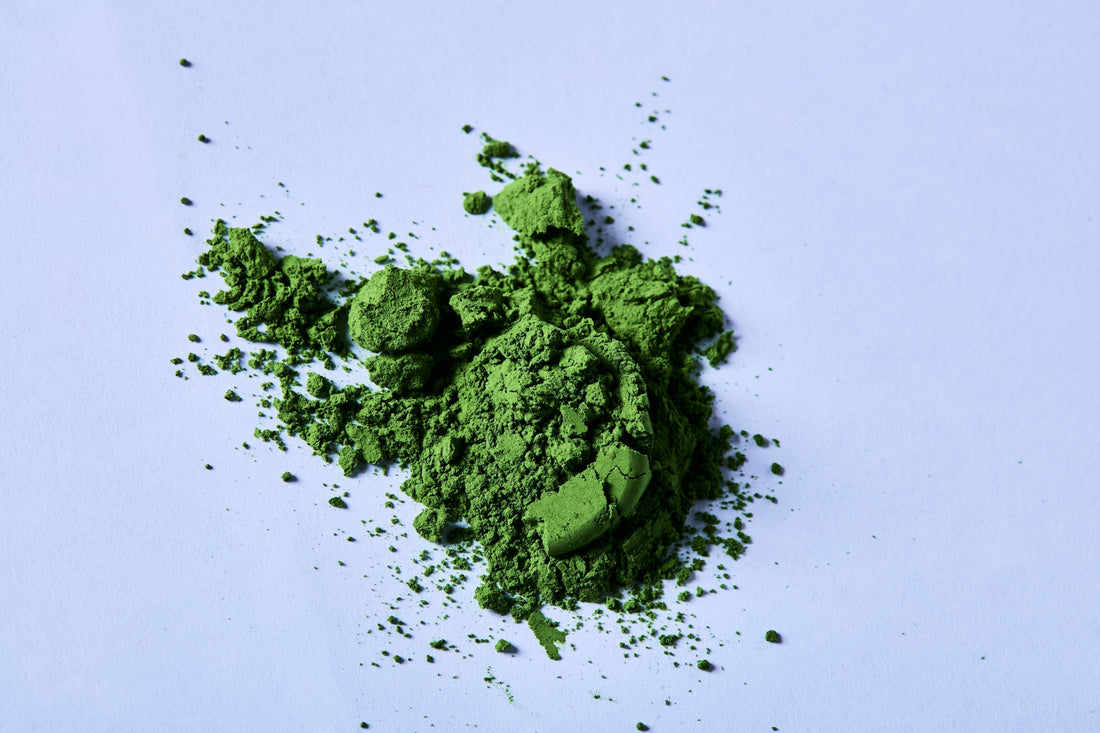
Why Most Matcha Isn’t What You Think It Is
Not all matcha is created equal. Many products on the market are bitter, low-quality, and full of misleading claims. In this article, we uncover the hidden truths about the matcha industry, from the pitfalls of mass production to the importance of vibrant color, smooth texture, and single-origin transparency. Discover what makes premium matcha truly special and how to choose a cup that honors centuries of Japanese tradition. Whether you're a matcha lover or just curious, this guide will help you sip smarter and savor the difference.
Learn more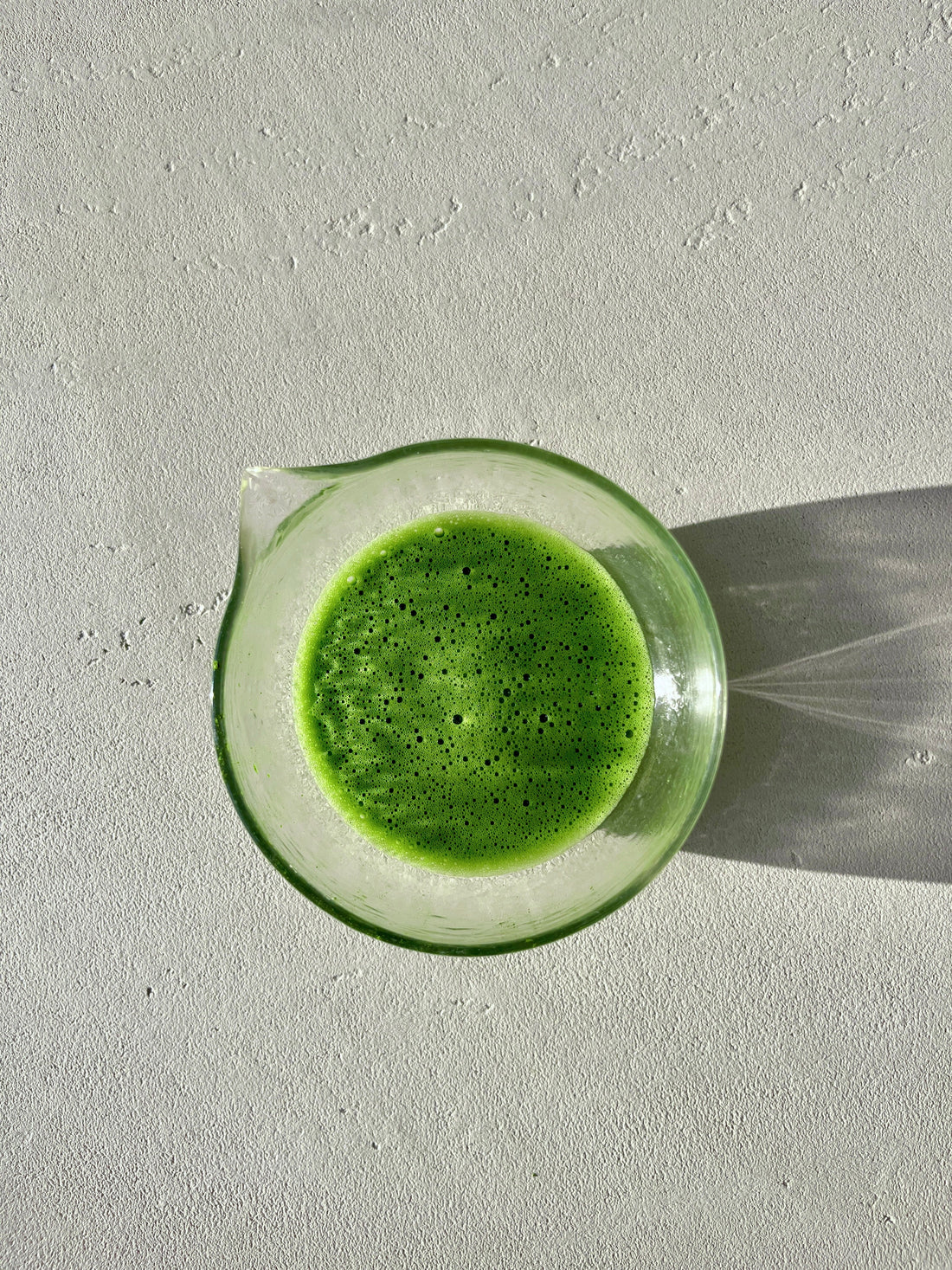
MATCHA VS. COFFEE: Here's why matcha is the better choice!
Why settle for short bursts of energy when you can enjoy calm, sustained focus and health benefits? MATCHAPAPA's Yabukita Ceremonial Grade is crafted for those who value wellness, sustainability, and a mindful approach to energy.
Learn more
Unlock your Superpowers with MATCHAPAPA: Your Daily Ritual for Energy, Focus, and Wellness
Looking for a natural way to boost your health and energy? MATCHAPAPA's first ceremonial-grade matcha, sourced from the lush, volcanic soils of Kagoshima, Japan, is packed with antioxidants, vitamins, and brain-boosting compounds to support your well-being. Rich in EGCG and L-theanine, this vibrant green superfood offers sustained energy, enhanced focus, and immune support—all without the jitters of coffee. Ready to fuel your day the healthy way? Discover the wellness benefits of MATCHAPAPA and make it part of your daily ritual!
Learn more