
If you’re new to matcha, it’s easy to feel overwhelmed. Ceremonial, culinary, organic, first harvest… it can all sound confusing fast.
So how do you actually choose a good matcha?
And what separates a premium Japanese matcha from the bitter green powder you find at the supermarket?
This beginner-friendly guide breaks down what really matters so you can avoid disappointment and enjoy matcha the way it’s meant to be experienced.
What Defines High-Quality Matcha?
A high-quality matcha is a finely ground Japanese green tea with these key characteristics:
-
Smooth, umami-rich flavor
-
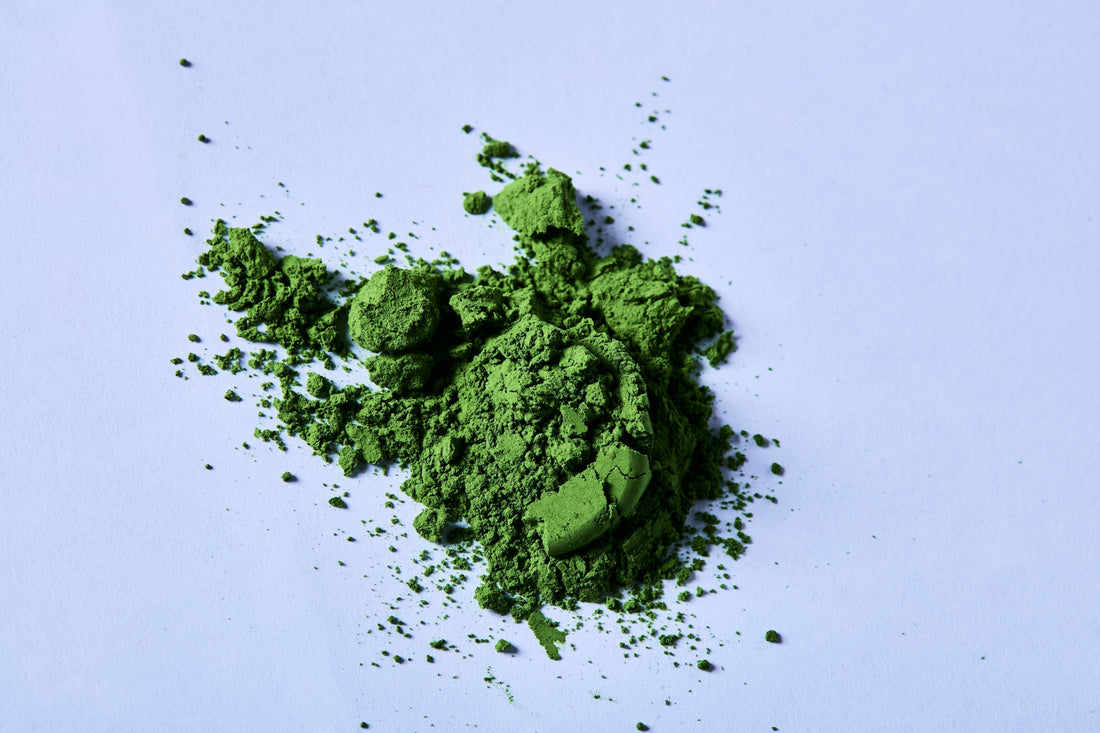
Bright, vibrant green color
-
Ultra-fine, talc-like texture
-
Fresh, slightly sweet vegetal aroma
-
Traditional growing and milling methods
Not all matcha meets these standards. Choosing well is the difference between a creamy, balanced cup and something harsh and unpleasant.
1. Choose Ceremonial Grade, Not Culinary
If you plan to drink matcha (with water or milk), ceremonial grade is essential.
Ceremonial-grade matcha
-
Made from young, tender tea leaves
-
Usually first harvest
-
Naturally smoother, sweeter, and higher in umami
-
Finely milled for drinking
Culinary-grade matcha
-
More bitter and astringent
-
Designed for baking, smoothies, and desserts
-
Duller color, rougher texture
2. Origin Matters: Look for Japan
Authentic ceremonial matcha comes from Japan, where centuries-old cultivation and milling techniques are still used today.
The most respected matcha regions include:
-
Uji (Kyoto)
- Shizuoka (Chubu)
-
Nishio (Aichi)
-
Yame & Kagoshima (Kyushu)
Matcha grown outside Japan may be cheaper, but it rarely delivers the flavor, color, or texture expected from ceremonial-grade tea.
At MATCHAPAPA, we work directly with Japanese producers who specialize in traditional, small-batch matcha.
3. Color Is One of the Strongest Quality Signals
A good matcha should be a bright jade green.
Here’s how to read it at a glance:
-
Vibrant, electric green → fresh, high-quality ceremonial matcha
-
Muted or matte green → lower quality or culinary grade
-
Brownish, yellow, or gray tones → old, oxidized, or poorly processed
That vivid green color comes from proper shading before harvest and slow, cold stone milling.

4. Smell the Matcha Before You Drink It
High-quality matcha has a fresh, clean aroma. Think:
-
Young green leaves
-
A hint of seaweed or nori
-
Light natural sweetness
It should not smell dusty, earthy, or like dried grass. Aroma is an early warning system for freshness.
5. The Taste Should Be Smooth, Not Bitter
When prepared properly and tasted on its own, good matcha is:
-
Smooth and vegetal
-
Slightly sweet
-
Rich in umami
-
Never aggressively bitter
If you need sugar or syrups to make it drinkable, the matcha itself isn’t high quality.
6. Texture: Ultra-Fine Makes the Difference
Traditional matcha is stone-milled into an extremely fine powder.
Signs of good texture:
-
Feels like talcum powder between your fingers
-
Whisks easily without gritty residue
-
No sandy or grainy mouthfeel
Clumpy, coarse matcha usually means poor milling or low-grade leaves.
7. Organic Certification and Transparency
Because you consume the entire tea leaf, cleanliness matters.
Look for matcha that is:
-
Free from additives or fillers
-
Traceable by harvest and region
Transparency is a strong indicator of quality and trust.
8. Where to Buy Good Matcha
Avoid generic supermarket matcha or listings with vague descriptions and no origin details.
Choose brands that:
-
Specialize in matcha only
-
Share information about harvest, region, and quality standards
MATCHAPAPA focuses exclusively on premium Japanese matcha, offering carefully selected varieties designed for different preferences and energy levels, always with freshness and purity in mind.
👉 Explore MATCHAPAPA matcha collections
Final Takeaway: Use All Five Senses
Great matcha isn’t just something you drink. It’s something you experience.
- Look at the color.
- Smell the freshness.
- Feel the texture.
- Listen to the whisk.
- Taste the smoothness.
If you’re just starting, begin with a gentle ceremonial-grade matcha and build from there. Your palate will learn quickly, and once you try real matcha, there’s no going back.