
During pregnancy, every food and drink choice matters.
If you already love matcha or you’re thinking about adding it to your routine, it’s normal to wonder:
-
Can I drink matcha while pregnant?
-
Is matcha safe for my baby?
In this article, we’ll break it all down clearly: what matcha is, how much caffeine it contains, what the research says, and how to enjoy matcha safely during pregnancy.
What Is Matcha?
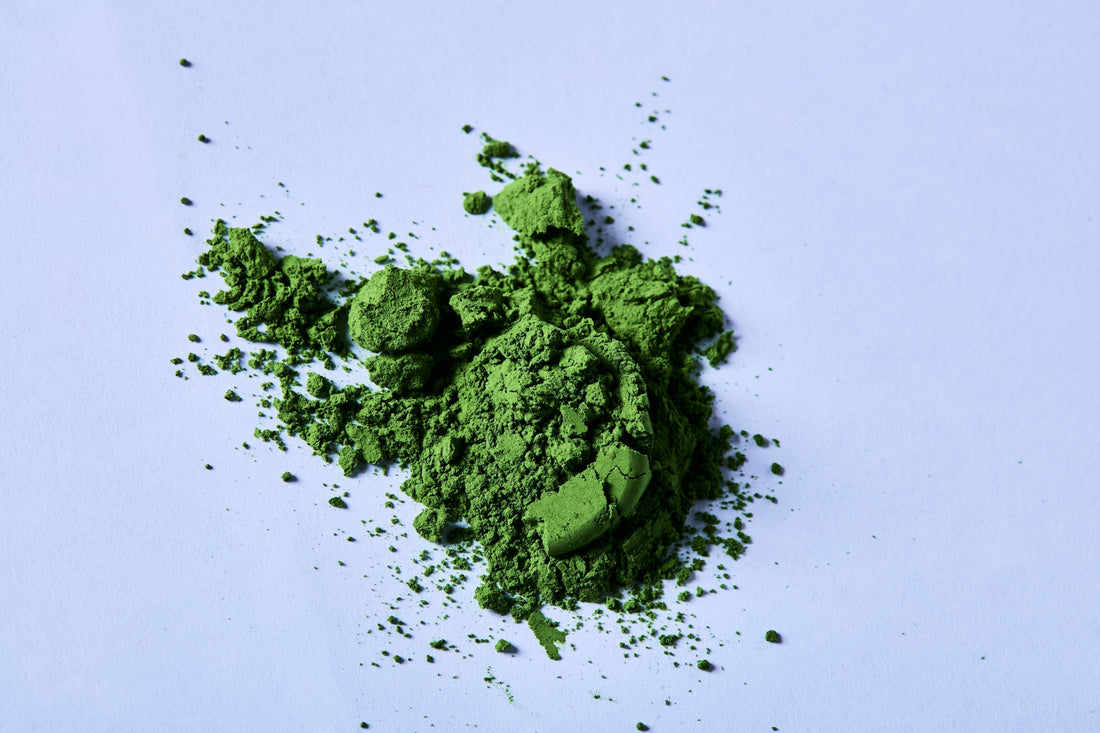
Matcha is a powdered green tea made from finely ground whole tea leaves. Because you consume the entire leaf, matcha is more concentrated than regular green tea in:
-
Antioxidants
-
Caffeine
-
L-theanine (an amino acid that promotes calm focus)
Matcha is known for helping with:
-
Smooth, sustained energy
-
Mental clarity and concentration
-
Antioxidant support
-
A sense of calm without jitters
That said, pregnancy is a time for mindful moderation.
Is Matcha Safe During Pregnancy?
Short answer: yes, when consumed in moderation.
Matcha is generally considered safe during pregnancy as long as your total daily caffeine intake stays within recommended limits.
Official caffeine guidelines during pregnancy
Most health authorities recommend:
-
No more than 200 mg of caffeine per day
That’s roughly the amount found in one small cup of coffee.
How Much Caffeine Is in Matcha?
Caffeine levels vary depending on quality and dose, but on average:
-
1 gram of matcha (about ½ teaspoon) contains 25–35 mg of caffeine
-
One standard cup (1–2 g) contains approximately 35–70 mg of caffeine
This means that one cup of matcha per day can comfortably fit within pregnancy-safe caffeine limits, as long as you’re mindful of other caffeine sources like coffee, chocolate, or soft drinks.
Potential Benefits of Matcha During Pregnancy (In Moderation)
1. Gentle, steady energy
Unlike coffee, matcha’s caffeine is released more slowly thanks to L-theanine. This can help prevent energy spikes and crashes, which is especially helpful during pregnancy-related fatigue.
2. Antioxidant support
Matcha contains antioxidants such as EGCG. While excessive amounts are not recommended during pregnancy, a moderate intake can support overall cellular health.
3. Improved focus and mental clarity
Many women experience “pregnancy brain.” Matcha may help support concentration without causing anxiety or overstimulation.
4. A calming daily ritual
The act of preparing and drinking matcha can be grounding and relaxing. Creating small moments of calm during pregnancy is beneficial for both body and mind.
Important Precautions to Keep in Mind
-
Always consult your healthcare provider, especially if you have anemia, high blood pressure, or other medical conditions.
-
Avoid drinking matcha alongside iron supplements. Tea tannins can interfere with iron absorption. Wait at least 1–2 hours between them.
-
Choose high-quality, organic matcha to avoid potential pesticide residues or heavy metals.
At MATCHAPAPA, our matcha is:
-
The hightest quality, sourced from Japan
-
Carefully tested for purity and quality
Because quality matters even more during pregnancy.
What About Matcha During Breastfeeding?
Yes, matcha can also be enjoyed while breastfeeding, again in moderation.
Only a small amount of caffeine passes into breast milk, but some babies are more sensitive than others. If you notice increased fussiness or sleep disruption, try:
-
Reducing the amount
-
Drinking matcha earlier in the day
Listening to your body and your baby is key.
Final Thoughts
Matcha can be safe during pregnancy when consumed mindfully and within recommended caffeine limits.
Enjoyed in moderation, it can provide:
-
Gentle energy
-
Antioxidant support
-
Mental clarity
-
A soothing daily ritual
As always, quality, moderation, and professional guidance come first.